Cultural Safety in Nursing Aotearoa
Reigniting the mouri of Kawa Whakaruruhau in Nursing
Persisting inequitable health outcomes and experiences exist for Māori, the biggest barriers are due to racism and bias. Nurses are regulated to provide culturally safe care and to challenge bias – but literature tells us this is still not happening. Why?
Nau mai haere mai whakatau mai
recent posts
This webpage follows my Doctoral Journey
Tania Bailey RNComp. EN. M.N. Doctoral Candidate
-
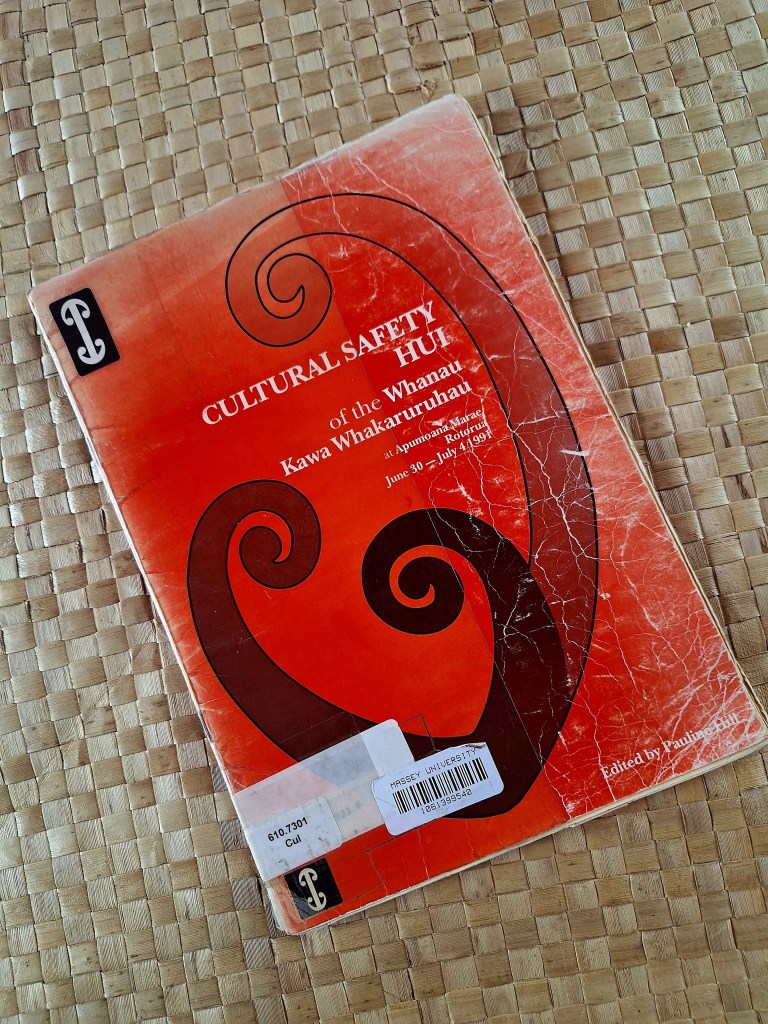
Cultural safety in nursing in Aotearoa has not been achieved as Dr. Irihapeti Ramsden envisioned over 30 years ago, and it was quickly domesticated into cultural competency. Successive governments have failed to uphold their obligations under Te Tiriti o Waitangi; as a result, Māori face double jeopardy as they are disproportionately high users of an unsafe health system. The exclusion of whānau voices from the current process raises questions such as: who does this process serve? and is the process itself safe? Currently, there is no baseline data for the nursing profession in Aotearoa. A critical review of the Nursing Council New Zealand and regulatory processes is essential to gain a deeper understanding of how culturally safe practice develops with professional growth. This is particularly pertinent for the Advanced Practice Nurse group, as they possess significant potential to ensure that policies focus on healthcare equity for Maori. This doctoral research investigates Cultural Safety in nursing by exploring the lived experiences of whānau and Māori Advanced Practice nurses under the umbrella of Kaupapa Māori research . It aims to reclaim and reignite the mouri of Kawa Whakaruruhau and Cultural Safety in nursing in Aotearoa, to identify new terrain or elements that emphasise criticality, accountability, and towards a sustaining system of transformation. Further contributing to Indigenous health literature by fostering discussion, sharing expertise, and developing methodologies.
The beautiful Whanganui River – Ko mātou te awa ko te awa ko mātou – we are the river and the river is us 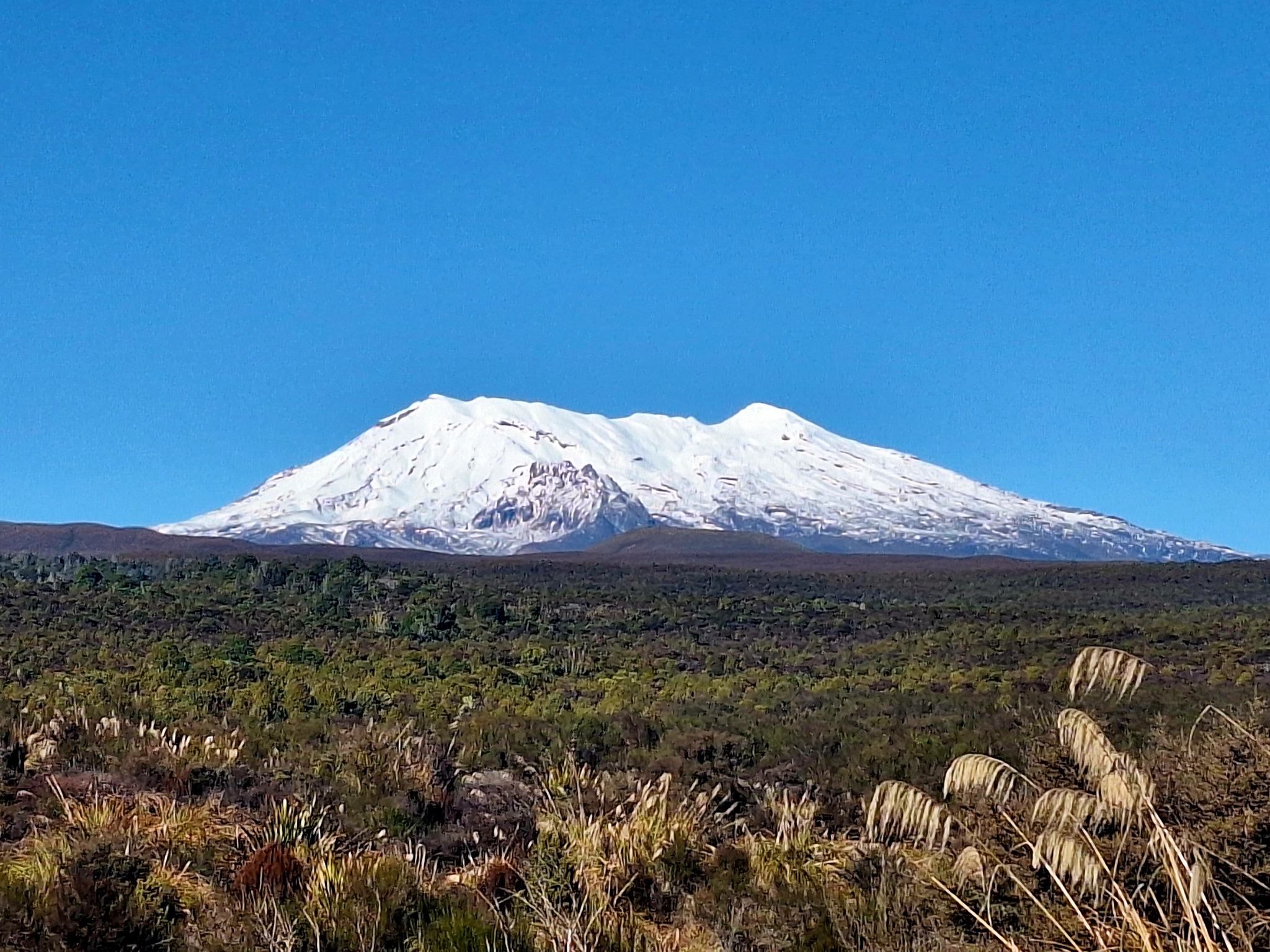

No hea au – ko wai au?
He mokopuna tēnei no te Awa-nui-a-Rua, no te Kahui Maunga
Ko Ruapehu ko Taranaki ngā maunga
Ko Whanganui ko Whaitara ngā awa
Ko Aotea Ko Tokomaru ngā waka
Ko Ngāti Rangi, Ko Te Aithau-nui-a-Paparangi, Ko Te Atiawa Ko Ngā Puhi ngā iwi
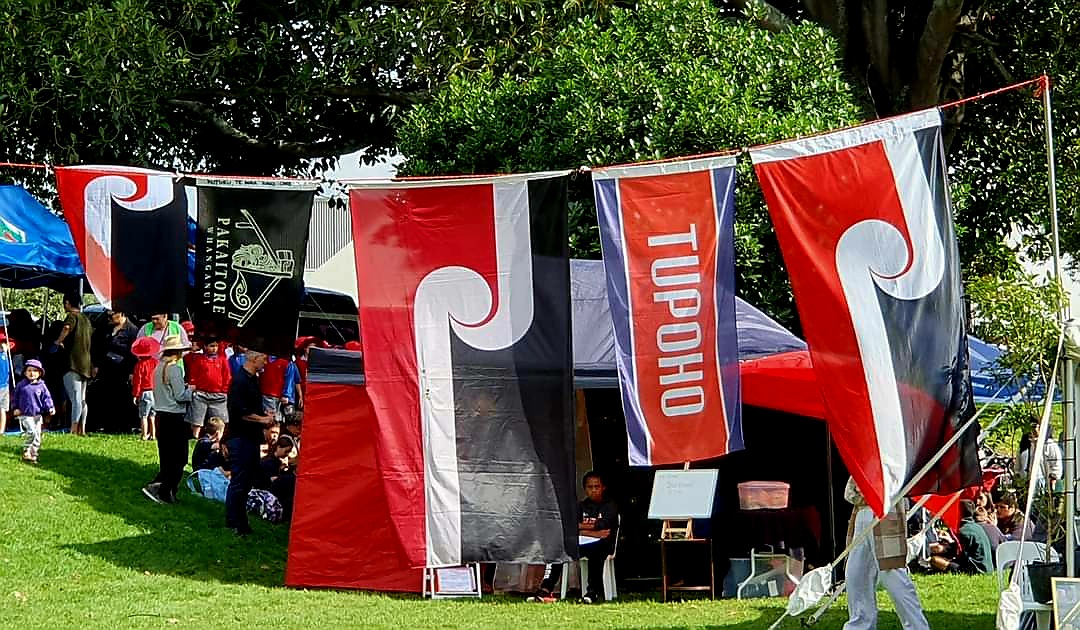
Ko Ngāti Ruaka, Ngāti Tupoho, Ngāti Tumango, Ngāti Mutunga, Ko Ngāti Rahiri ngā Hapu
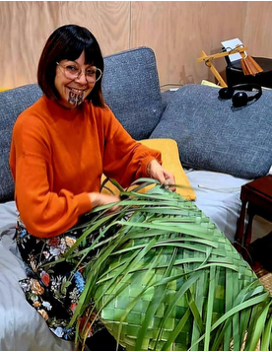
Ko Tania Aroha Bailey tōku ingoa
-
Cultural safety in nursing in Aotearoa has not been achieved as Dr. Irihapeti Ramsden envisioned over 30 years ago, and it was quickly domesticated into cultural competency. Successive governments have failed to uphold their obligations under Te Tiriti o Waitangi; as a result, Māori face double jeopardy as they are disproportionately high users of an unsafe health system. The exclusion of whānau voices from the current process raises questions such as: who does this process serve? and is the process itself safe? Currently, there is no baseline data for the nursing profession in Aotearoa. A critical review of the Nursing Council New Zealand and regulatory processes is essential to gain a deeper understanding of how culturally safe practice develops with professional growth. This is particularly pertinent for the Advanced Practice Nurse group, as they possess significant potential to ensure that policies focus on healthcare equity for Maori. This doctoral research investigates Cultural Safety in nursing by exploring the lived experiences of whānau and Māori Advanced Practice nurses under the umbrella of Kaupapa Māori research . It aims to reclaim and reignite the mouri of Kawa Whakaruruhau and Cultural Safety in nursing in Aotearoa, to identify new terrain or elements that emphasise criticality, accountability, and towards a sustaining system of transformation. Further contributing to Indigenous health literature by fostering discussion, sharing expertise, and developing methodologies.The beautiful Whanganui River – Ko mātou te awa ko te awa ko mātou – we are the river and the river is us No hea au – ko wai au?
He mokopuna tēnei no te Awa-nui-a-Rua, no te Kahui Maunga
Ko Ruapehu ko Taranaki ngā maunga
Ko Whanganui ko Whaitara ngā awa
Ko Aotea Ko Tokomaru ngā waka
Ko Ngāti Rangi, Ko Te Aithau-nui-a-Paparangi, Ko Te Atiawa Ko Ngā Puhi ngā iwi
Ko Ngāti Ruaka, Ngāti Tupoho, Ngāti Tumango, Ngāti Mutunga, Ko Ngāti Rahiri ngā Hapu
Ko Tania Aroha Bailey tōku ingoa